2 Little Field Dr
Fredericksburg VA, 22405
programs@jaglobalinstitute.org Office: +1-703-419-9820
Cell +1-571-337-9185

What Are You Looking For?

Executive Summary

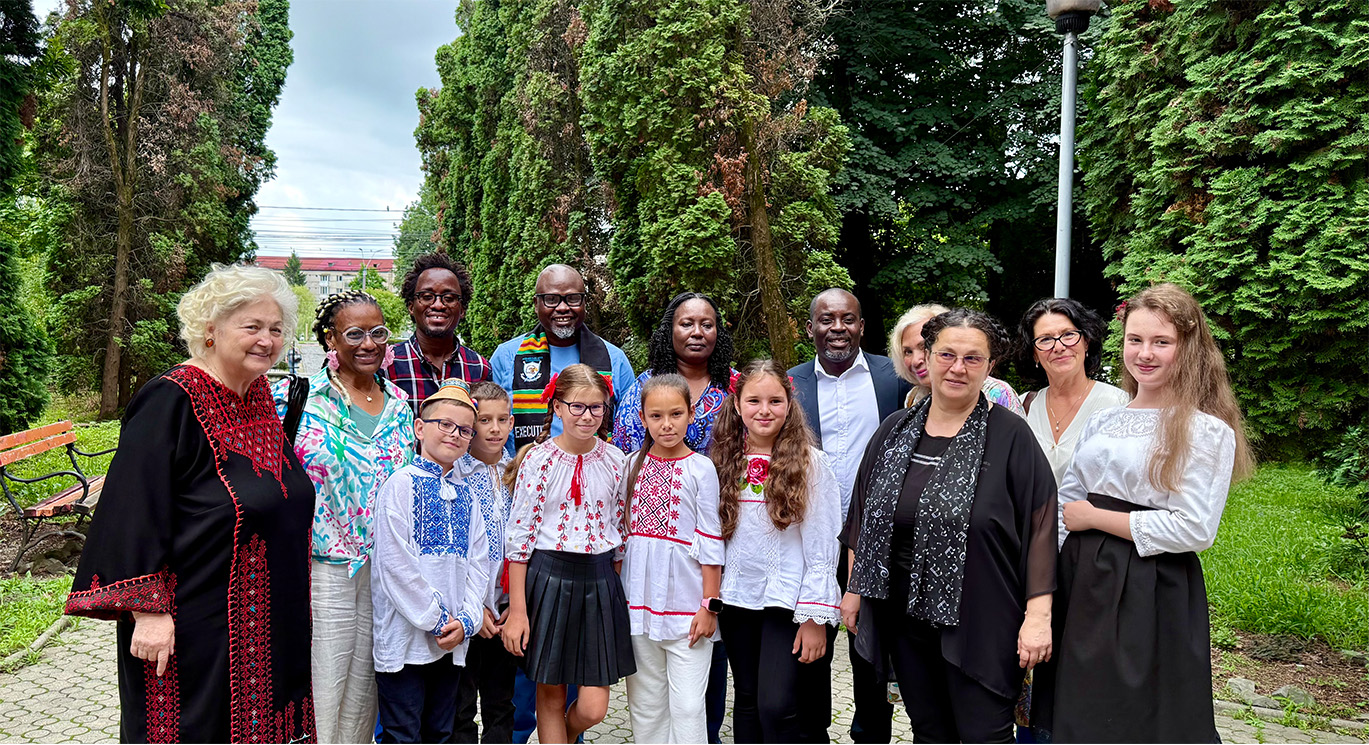
The Maramureș 2025 Dr. Nina L. Meyerhof Summer Institute was successfully conducted from July 28 to August 1, 2025, in Baia Mare, Romania. This prestigious international leadership development program was organised through a collaborative partnership between the Jacobs-Abbey Global Institute for Leadership Studies (Jagils Education Center, USA) and the Technical University of Cluj-Napoca - North University Centre of Baia Mare. The institute brought together students, delegates, facilitators, and faculty members from around the world, creating a truly unique international learning environment in the heart of Maramureș County, Romania.
Pre-Institute Activities and Cultural Immersion

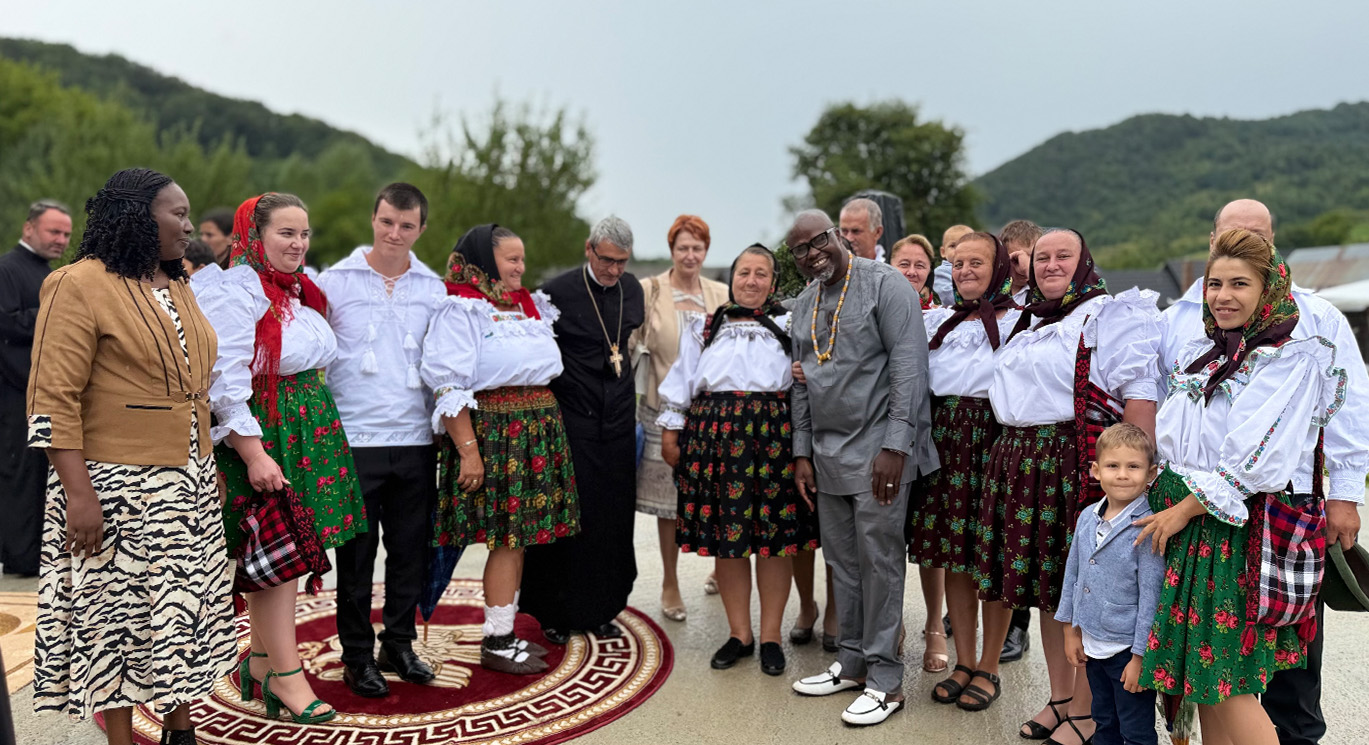
The program commenced with meaningful pre-institute activities on Sunday, July 27, 2025. Several international students who had arrived from various parts of the world participated in a cultural and spiritual experience by attending a church service at a chapel belonging to the Valea Stejarului Orthodox Parish. This parish falls under the Sighet Protopresbytery, a regional administrative division of the Orthodox Bishopric of Maramureș and Sătmar in Romania.

Following the religious service, delegates had the unique opportunity to travel to the Romania-Ukraine border, gaining firsthand experience of this historically and geopolitically significant region. This excursion provided participants with valuable insights into the cultural and geographical context of their studies, enhancing their understanding of the complex regional dynamics that inform contemporary leadership challenges.

The pre-institute activities concluded with delegates being graciously hosted for a traditional Romanian dinner at the residence of Prof. Rodica Silvia Pop in Baia Mare. This authentic cultural experience allowed international participants to savor traditional Romanian cuisine and hospitality, fostering connections between global scholars and local academic leaders while establishing the foundation for meaningful cross-cultural exchange throughout the program.

Official Opening Ceremony

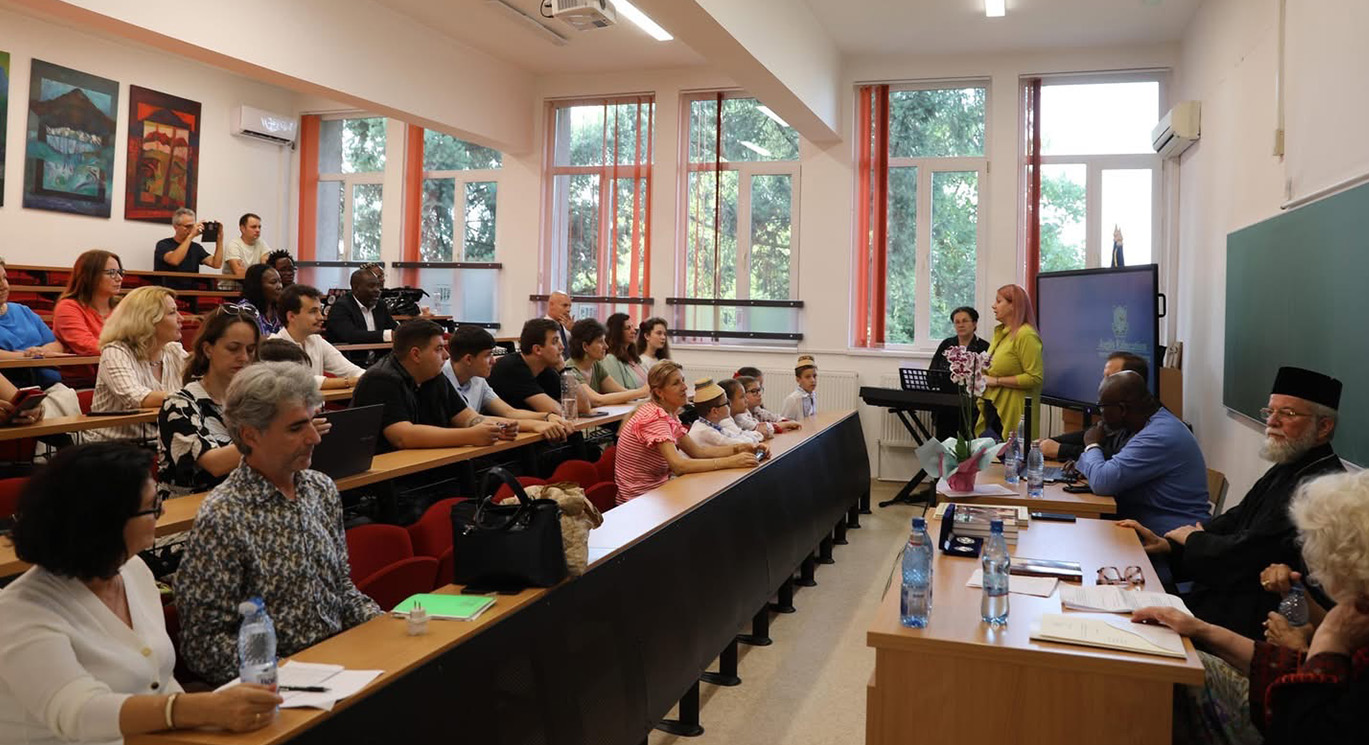
The official opening of the Maramureș 2025 Dr. Nina L. Meyerhof Summer Institute took place on Monday, July 28, 2025, at the North University Centre of Baia Mare. The ceremony was formally presided over by His Grace Bishop IUSTIN Hodea of the Orthodox Church of Maramureș and Satmar, who delivered an inspiring address emphasizing the critical importance of spirituality and diversity in leadership.

In his keynote remarks, His Grace the Bishop stated,

"True leadership must be rooted in spiritual wisdom and embrace the rich tapestry of human diversity. When leaders draw from their spiritual foundation and honor the varied perspectives within their communities, they create pathways for authentic transformation and lasting positive change."

This message established the spiritual and ethical foundation that would permeate throughout the institute's programming.

Among the distinguished attendees was Governor Florian-Valerius Salajeanu of Maramureș County, who challenged students and delegates to harness their knowledge as a catalyst for meaningful global change. His message resonated with the institute's mission of developing leaders who can address twenty-first-century challenges with both competence and conscience.

Dr. Nina L. Meyerhof, the institute's namesake and distinguished educator, delivered the keynote address on "Global Leadership in the 21st Century." She called upon students to "lead from their soul," introducing participants to a transformative new concept of leadership that integrates personal authenticity with global responsibility. This concept would become a recurring theme throughout the institute's programming.

The convenor of the summit, Dr. Samuel Jacobs-Abbey, Chief Learning Officer and Executive Director of Jacobs-Abbey Global Institute for Leadership Studies, challenged participants to deeply consider their virtues, values, and character as foundational elements of effective twenty-first-century leadership. His opening remarks set the tone for the intensive self-reflection and personal development that would characterize the program.

Dr. Annamaria Falaus, Dean of the Faculty of Humanities, warmly welcomed all students and delegates from around the world to the campus of the Technical University of Cluj-Napoca - North University Centre of Baia Mare, emphasizing the international collaborative spirit of the program and the institution's commitment to fostering global educational partnerships.

Global Participation and International Reach

The institute demonstrated its truly international scope with global participants joining virtually from Ghana, Nigeria, the United Kingdom, and Cameroon, creating a diverse learning environment that spanned continents and cultures. This hybrid format successfully accommodated learners from various geographical locations while maintaining the program's commitment to inclusive, accessible education. The virtual participation component allowed for real-time engagement across time zones and demonstrated the institute's innovative approach to global leadership education.

Day One Workshop Programming

Following the conclusion of the official opening ceremony, delegates engaged in intensive workshop sessions designed to establish foundational concepts for the program. The first workshop, "Understanding Leadership," was led by Dr. Nina L. Meyerhof and proved to be highly engaging and participatory, encouraging active dialogue and reflection among participants. This session explored fundamental questions about the nature of leadership, the distinction between management and leadership, and the evolving expectations placed on leaders in an interconnected world. The second workshop focused on "Communication Across Cultures," expertly facilitated by Dr. Annamaria Falaus, Ramona Demarcsek, Luminita Todea, and Ioan Benjamin Pop. This session explored the nuances of cross-cultural communication essential for global leadership effectiveness, addressing challenges such as language barriers, cultural assumptions, nonverbal communication differences, and the importance of cultural sensitivity in building trust and rapport across diverse teams.

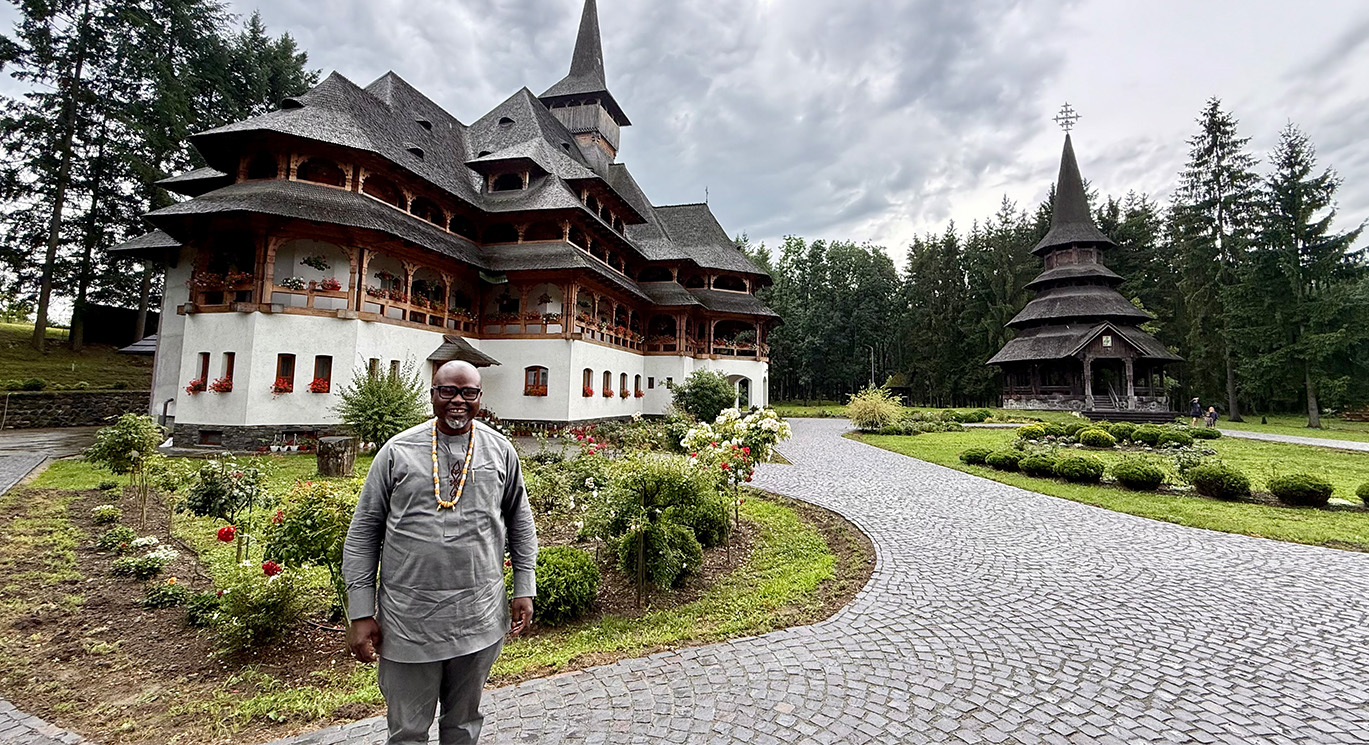
The inaugural day concluded with a meaningful visit to a historic monastery, providing participants with an opportunity to connect with the rich cultural and spiritual heritage of the Maramureș region while reflecting on the day's learning experiences. This cultural immersion component reinforced the program's commitment to holistic leadership development that encompasses intellectual, emotional, and spiritual dimensions.

Day Two: Advanced Leadership Concepts

The second day of the institute featured advanced workshops led by Dr. Elena Mustakova-Possardt, whose expertise in integral leadership theory provided participants with sophisticated frameworks for understanding leadership complexity. Her morning workshop on "Inner & Outer Coherence: An Integral Global Perspective on Leadership Amidst Deep Transformation" explored the critical alignment between a leader's internal state and their external actions.

The concept of inner coherence, as presented by Dr. Mustakova-Possardt, focuses on developing authentic self-awareness, emotional intelligence, and personal values alignment. Outer coherence emphasizes how leaders manifest these internal qualities through consistent actions, decisions, and relationships in their external environment. This framework provided participants with practical tools for achieving authenticity and consistency in their leadership practice.

Dr. Mustakova-Possardt utilized Spiral Dynamics - The Eight Fundamental Ways of Thought, Action, Culture, and Organization by Ben Levi, with acknowledgment to Don Beck and Clare Graves, to illustrate how different levels of consciousness and worldviews impact leadership effectiveness. This framework helps leaders understand the evolutionary stages of human development and how to lead diverse groups with varying perspectives and values, providing a sophisticated lens through which to analyze organizational and societal challenges.

She also employed the Quadrants of Integral Leadership as an approach to challenge delegates to master complex leadership concepts. This model examines leadership through four distinct but interconnected dimensions: individual interior (personal beliefs and values), individual exterior (behaviors and skills), collective interior (culture and shared meanings), and collective exterior (systems and structures). This comprehensive approach ensures leaders develop holistically across all dimensions of human experience and organizational life.

Dr. Mustakova-Possardt's second workshop, "Consultative Approach to Re-thinking Key Concepts Toward a Viable Future," provided skills and strategies in communication as a tool for collaborative problem-solving. She engaged students in breakout sessions as consultants addressing particular challenges in community settings, allowing participants to practice applying theoretical frameworks to real-world scenarios.

Evening Workshop Sessions

The day's programming continued with specialized evening workshops addressing specific aspects of leadership practice. Dr. Anca Boariu presented a paper on behalf of Prof. Dr. Ovidiu Podaru, examining leadership through the lens of law in a workshop titled "Leadership Through the Legal Lens: How to Become a Leader." As a law professor, Prof. Podaru emphasized that legal training gives leaders a unique perspective, developing analytical thinking skills and the ability to deal with facts and evidence in decision-making processes. The final session of the day was led by Dr. Raluca Iulia Bancoș, who conducted a workshop on "Assertive Leadership: Balancing Confidence with Respect." This session delved into the critical balance between confidence and respect in leadership roles, distinguishing assertive leadership from both passive and aggressive leadership styles by emphasizing clear, direct communication while maintaining respect for others' rights and perspectives. The workshop explored various aspects of leadership effectiveness, including how to communicate expectations clearly, set appropriate boundaries, handle conflict constructively, and make decisions with confidence while remaining open to feedback. Dr. Bancoș emphasized that assertive leaders can stand firm on important principles while being flexible in their approach to achieving goals. A key insight from the session was that assertiveness is not a fixed trait but a skill that can be developed and adapted to different situations and cultural contexts.

Cultural Activities and Artistic Heritage Exploration

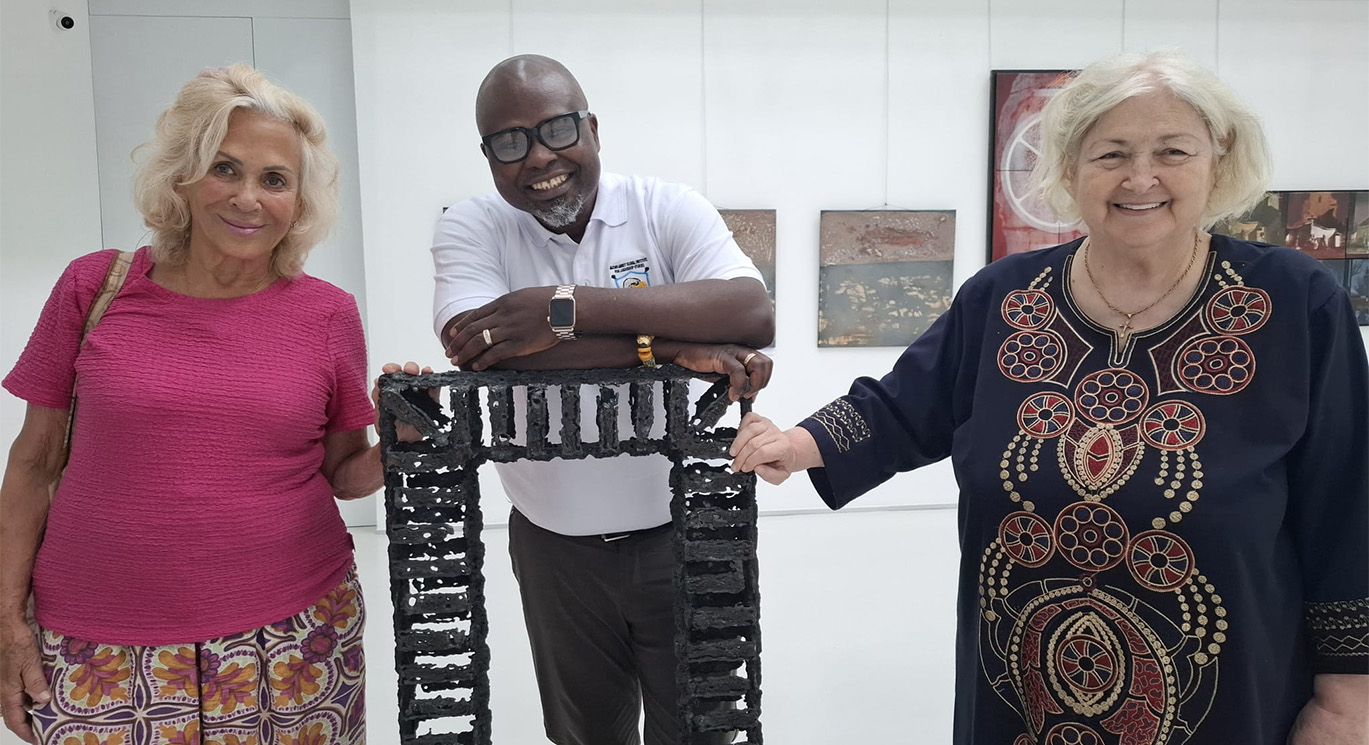
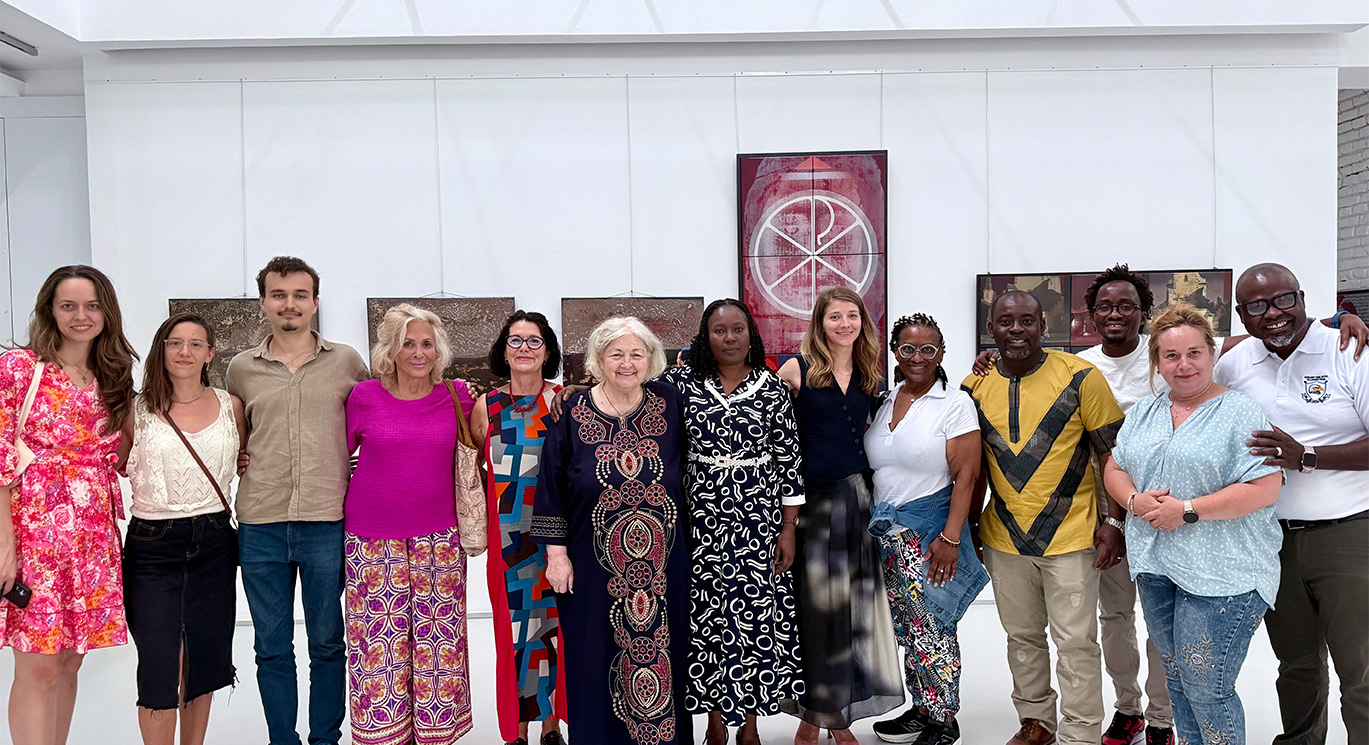
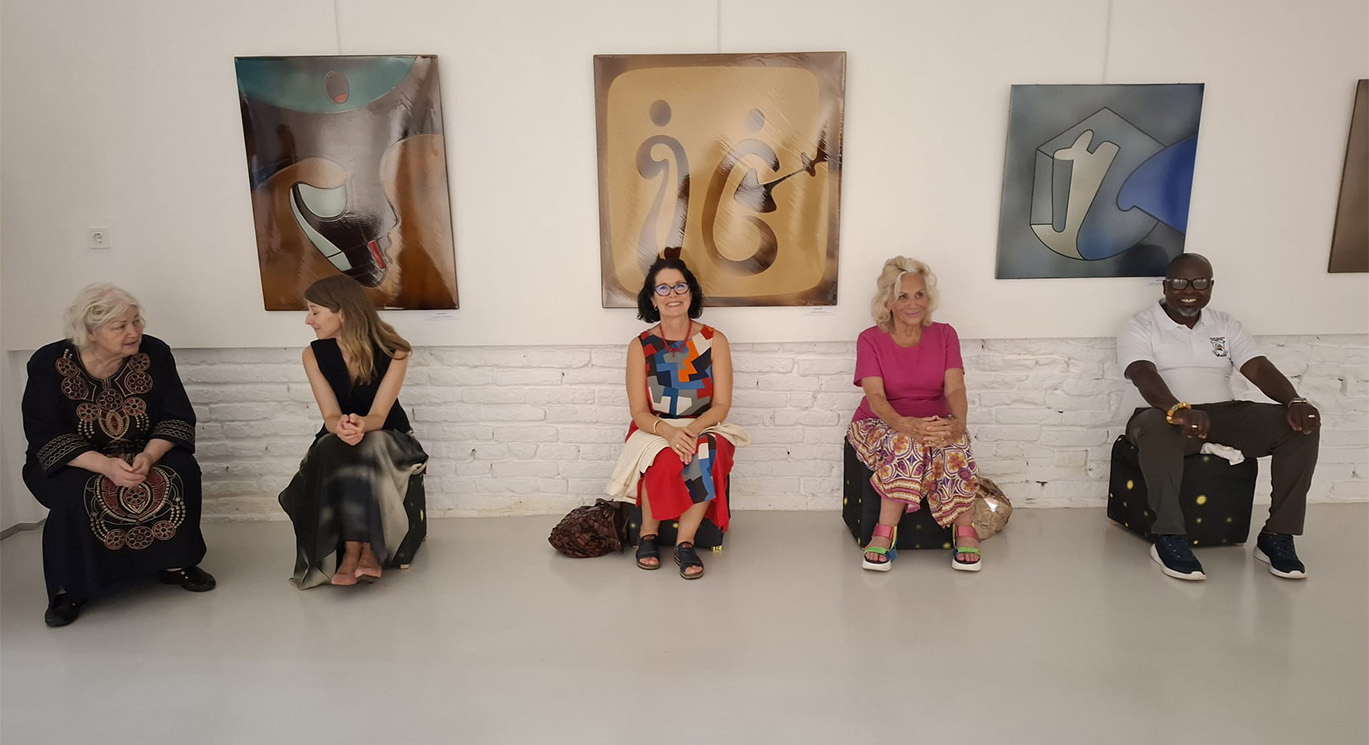
Prof. Samuel Jacobs-Abbey concluded the day with a summary and announcements, inviting students to join cultural activities showcasing the unique artistic heritage of Baia Mare. These activities included a visit to the Central Art Museum (County Museum of Art "Baia Mare Artistic Centre"), which offers an extraordinary encounter with one of Europe's most significant yet underappreciated art collections.

The museum houses an impressive display of impressionist art that "would not be out of place in the Musee d'Orsay," featuring works from the renowned Nagybánya (Baia Mare) School of painting. This collection represents a unique connection to the historic Nagybánya artists' colony, which "started as a summer retreat for artists, mainly painters from Simon Hollósy's szabadiskola (Free School) in Munich" and focused on plein-air painting techniques.

The museum houses "exceptionally valuable paintings belonging to all those who have passed here in 120 years," telling the stories of artists from Romania, Hungary, and across Europe who contributed to this influential art movement. The 3D video experience enhances the traditional museum visit by providing immersive storytelling that brings the artworks to life, allowing visitors to discover "the story of each painting and the destiny of its artist."

Particularly poignant are the tales of artists like the Hungarian painters Mund Hugo and Jandi David, whose contrasting fates during the Holocaust add profound historical context to their artistic legacy. These stories demonstrate how art and leadership intersect in times of crisis, providing participants with powerful examples of how creative expression can serve as both resistance and remembrance.

The cultural program also included exploration of Baia Mare's historic center, where the art museum itself is housed in a building "erected in 1748" that is "a historical monument of national importance." Participants also had the opportunity to meet author Walter Uberhard, who wrote the Romanian novel about Baia Mare titled "In the Shadow of Shakespeare," providing delegates with contemporary literary perspectives on the city's cultural identity and artistic legacy.

These cultural activities complemented the day's leadership workshops by demonstrating how artistic communities have historically fostered collaborative creativity, cultural exchange, and transformative leadership—themes that resonate with the institute's mission of developing global leaders through integral perspectives.

Final Day Programming and Technological Integration

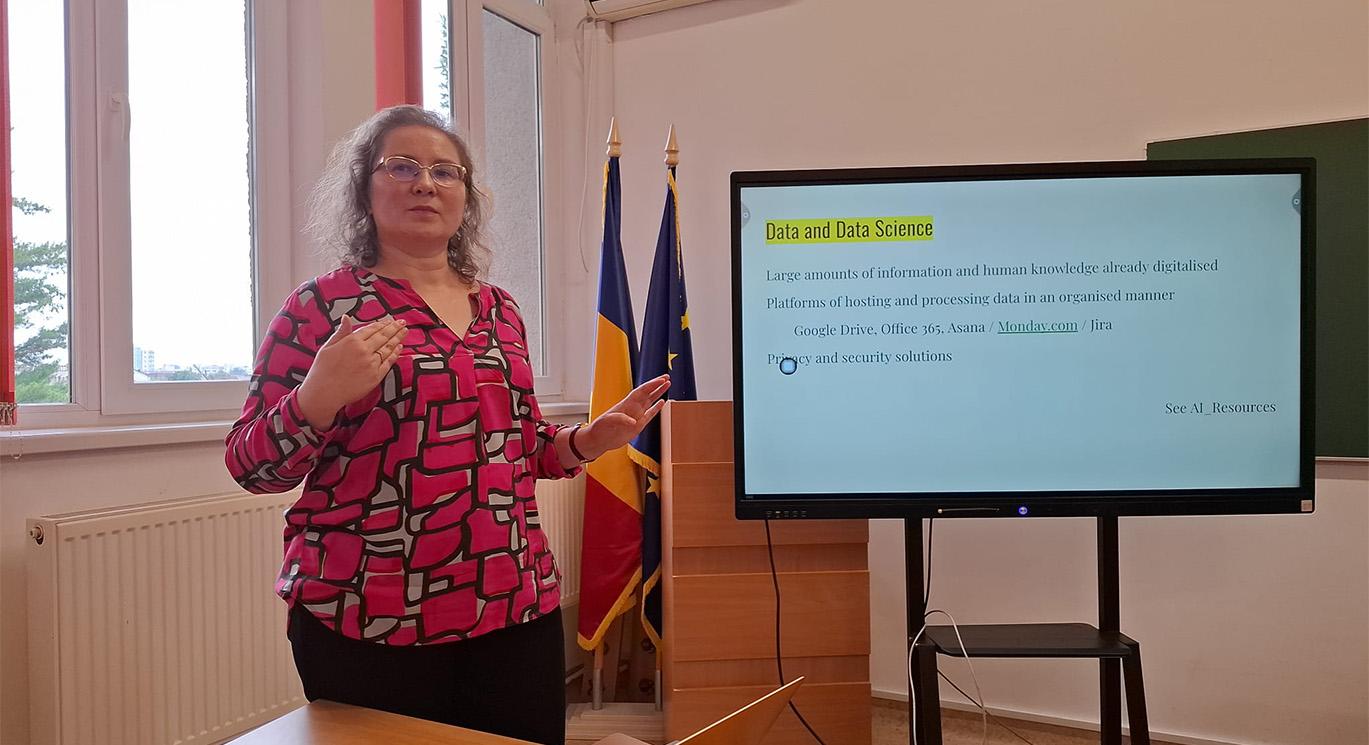
The final day of the institute commenced with a forward-looking presentation by Corina Simon, IT Project Manager, who delivered a workshop on "AI & Technology in Leadership." Ms. Simon explored the rapidly evolving landscape of artificial intelligence and its profound impact on modern leadership practices, emphasizing that successful twenty-first-century leaders must embrace technological advancement while maintaining their human-centered approach to leadership.

This session addressed the critical challenge of creating synthesis between digital innovation and authentic human connection, providing participants with frameworks for navigating the technological transformation of leadership practice. The workshop covered topics such as ethical AI implementation, digital communication strategies, and the importance of maintaining human judgment in automated decision-making processes.

Closing Workshop: Emotional Intelligence for Leadership

The summit's concluding workshop was expertly facilitated by Professor Samuel Jacobs-Abbey, who presented an in-depth exploration of "Emotional Intelligence for 21st Century Leadership." This comprehensive session provided participants with essential tools for developing emotional competency in leadership roles, drawing extensively from Dr. Daniel Goleman's Five Competencies of Emotional Intelligence while introducing an innovative additional dimension: Emotional Contagion Awareness.

Professor Jacobs-Abbey's presentation emphasized the fundamental importance of emotional intelligence in effective leadership, covering self-awareness, self-regulation, motivation, empathy, and social skills. The addition of Emotional Contagion Awareness addressed how leaders' emotional states influence their teams and organizations, providing practical strategies for managing emotional climate and fostering positive organizational culture.

A particularly impactful aspect of the workshop was Professor Jacobs-Abbey's encouragement for students to express their emotions openly as a pathway to embracing vulnerability. He emphasized that acknowledging and expressing emotions represents the fundamental first step toward developing genuine emotional awareness and authentic leadership presence, challenging traditional notions of leadership that prioritize emotional suppression over emotional intelligence.

Closing Ceremony and Recognition

The Summer Leadership Institute concluded with a formal closing ceremony, where key stakeholders expressed their appreciation and gratitude for the transformative experience. Professor Samuel Jacobs-Abbey, convenor of the Dr. Nina L. Meyerhof Summer Leadership Institute, extended heartfelt thanks to all participants for their active engagement throughout the program. He also acknowledged the exceptional contributions of faculty members, mentors, and volunteers whose dedicated support made the institute's success possible, expressing particular gratitude to the faculty of humanities and the international relations department of the university for their institutional support.

Dr. Annamaria Falaus, Dean of the School of Humanities at the Technical University of Cluj-Napoca-North University Centre of Baia Mare, thanked all delegates and participants while expressing appreciation to the Jacobs-Abbey Global Institute for Leadership Studies for fulfilling their commitment to making the summer school a reality. Her remarks emphasized the importance of international educational partnerships in fostering global understanding and leadership development.

Dr. Nina L. Meyerhof, the distinguished educator for whom the Summer Leadership Institute is named, expressed her gratitude to every participant and faculty member for their outstanding participation and unwavering support throughout the program. Her closing remarks reinforced the institute's mission of developing leaders who can address global challenges with wisdom, compassion, and effectiveness.

Professor Rodica Silvia Pop, the local Romanian coordinator, thanked all students, volunteers, sponsors, and participants for their remarkable engagement and support that contributed to the institute's success. Her acknowledgments highlighted the collaborative effort required to create such a comprehensive international educational experience.

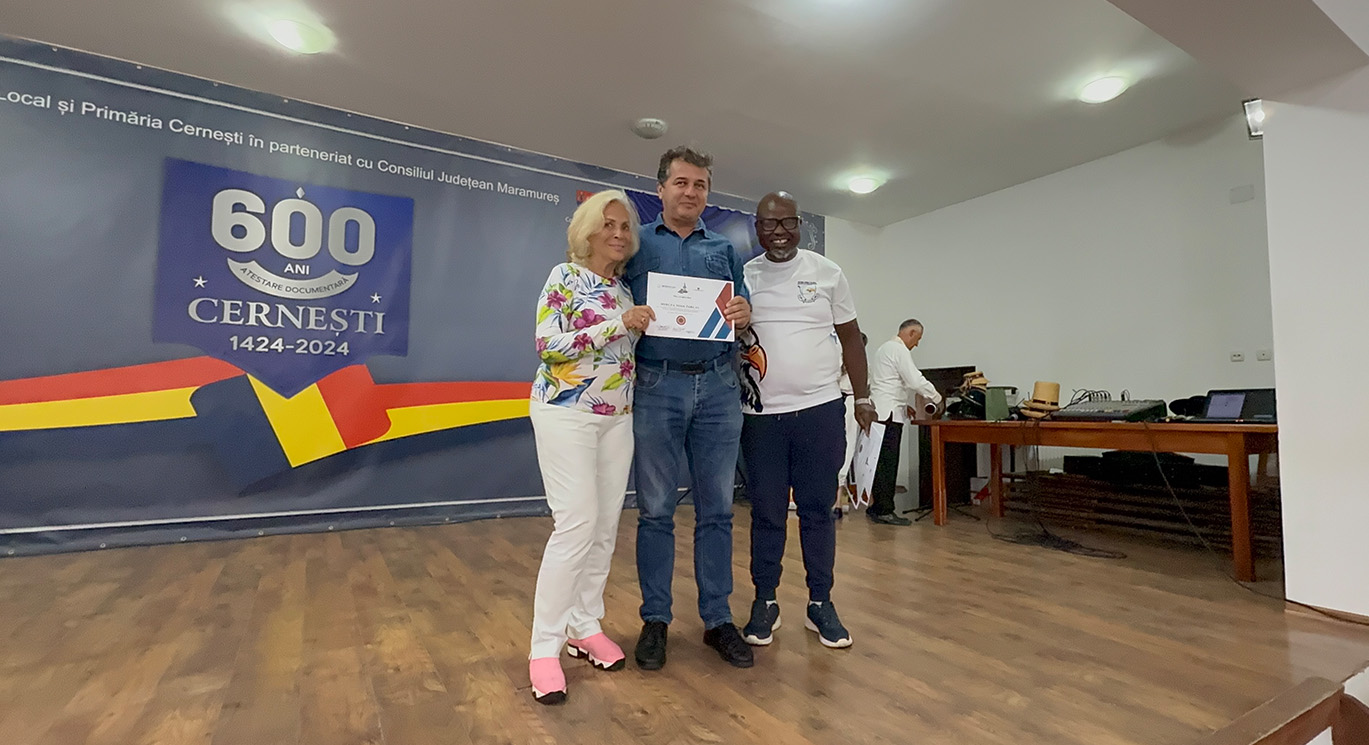
During the ceremony, Dr. Samuel Jacobs-Abbey presented diplomas to all participants who completed the program. Those who registered and participated online received their diplomas with arrangements for mailing to their local residences, ensuring that virtual participants received equal recognition for their engagement and learning. Additionally, facilitators, volunteers, and mentors were recognized with certificates acknowledging their valuable contributions to the institute. Following the formal presentations, Dr. Samuel Jacobs-Abbey officially declared the Summit Leadership Institute closed.

Cultural Celebration and Program Conclusion

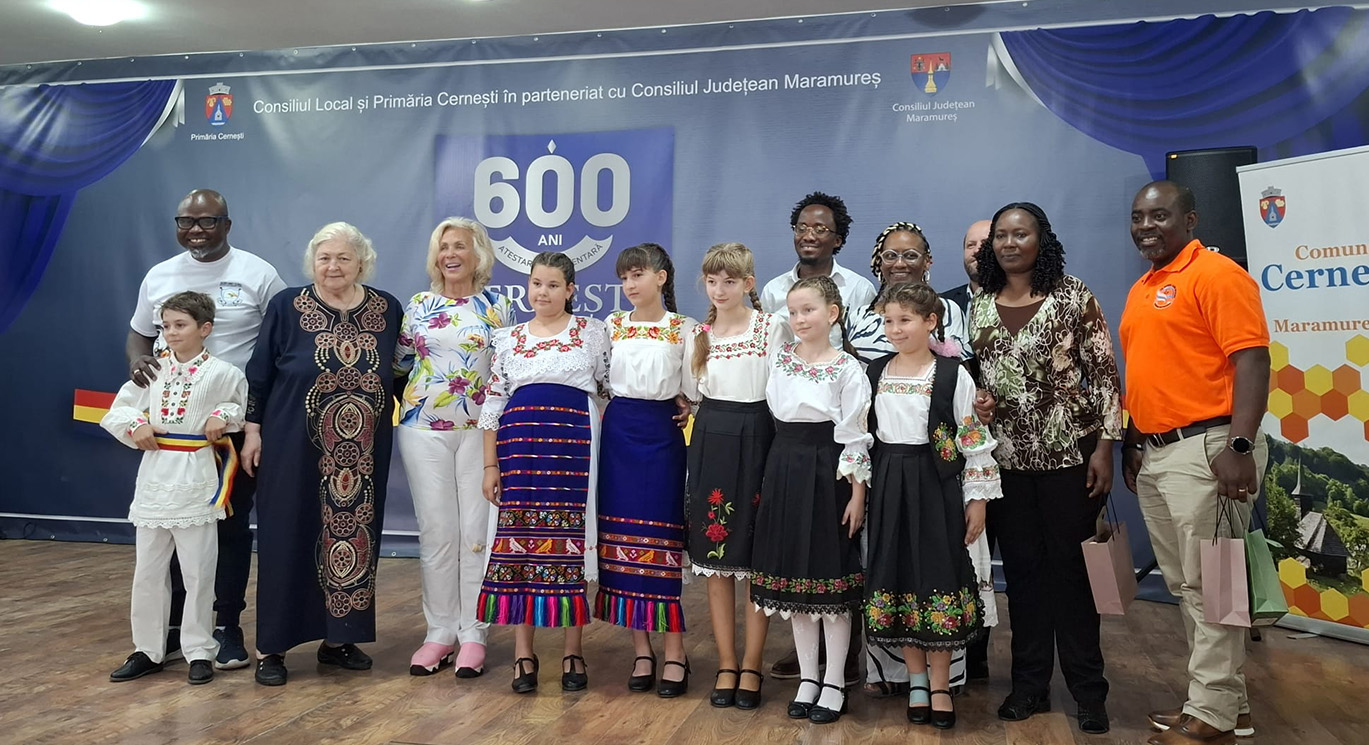
The program concluded with a memorable cultural celebration, as students were hosted at a dinner and entertainment event at the Consiliul Local și Primăria Cernești in partnership with Consiliul Județean. The evening featured an enchanting showcase of Romania's unique cultural heritage, with students presenting traditional Romanian dances that provided participants with an authentic taste of the country's rich cultural traditions. This cultural celebration served as both a fitting conclusion to the academic program and a demonstration of the cross-cultural understanding and appreciation that the institute sought to foster. The evening reinforced the importance of cultural competency in global leadership while providing participants with lasting memories of their time in Romania.

Historical Context and Reflection

The conclusion of the institute coincided with August 1st, a significant date in Warsaw's history, marking the start of the Warsaw Uprising in 1944, a pivotal event in World War II. On this day, the Polish Home Army launched a massive resistance against German occupation forces, aiming to liberate Warsaw before Soviet forces arrived. The uprising, both a military and political effort, sought to drive out the Germans and ensure Poland's independence. Initially planned to last a few days, the uprising endured over two months, resulting in the deaths of 18,000 insurgents and around 180,000 civilians before the insurgents surrendered on October 2, 1944. Today, August 1st is commemorated in Poland as a day of remembrance, symbolizing the nation's resilience and the tragic cost of war. This historical context provided additional depth to participants' understanding of leadership in times of crisis and the importance of moral courage in leadership practice.

Personal Reflection and Future Directions

The institute's impact extended beyond its formal programming, as evidenced by participant reflections on the transformative nature of the experience. The program successfully combined academic rigor with cultural immersion, creating an environment where participants could develop both intellectual understanding and practical skills while gaining appreciation for the cultural contexts that shape leadership challenges around the world. The success of the Maramureș 2025 Dr. Nina L. Meyerhof Summer Institute demonstrates the value of international educational partnerships and the importance of providing emerging leaders with opportunities to engage with diverse perspectives and approaches to leadership. The program's hybrid format proved effective in accommodating global participation while maintaining the intensive, interactive nature of the learning experience. Looking toward the future, the institute's success raises exciting possibilities for expansion and continuation. The question of where the Dr. Nina L. Meyerhof Summer Leadership Institute 2026 will be held—whether in Japan, Nepal, Switzerland, or Ghana—reflects the program's commitment to global reach and cultural diversity in leadership education.

Conclusion and Impact Assessment

The Maramureș 2025 Dr. Nina L. Meyerhof Summer Institute successfully achieved its mission of developing next-generation leaders while fostering international collaboration and cultural exchange in the beautiful setting of Maramureș, Romania. The program's comprehensive approach, combining theoretical frameworks with practical application, cultural immersion with academic rigor, and individual development with collaborative learning, created a transformative educational experience for all participants.

The institute's success can be measured not only in the positive feedback from participants and faculty but also in the lasting connections formed between international scholars, the practical skills developed through intensive workshops, and the expanded worldview gained through cultural immersion. The program demonstrated that effective leadership education must address the whole person—intellectual, emotional, cultural, and spiritual dimensions—while providing practical tools for addressing contemporary global challenges.

The partnership between the Jacobs-Abbey Global Institute for Leadership Studies and the Technical University of Cluj-Napoca - North University Centre of Baia Mare proved highly effective, combining international expertise with local knowledge and cultural insight. This collaboration model provides a template for future international educational initiatives and demonstrates the value of cross-cultural academic partnerships in developing global leaders.

The Maramureș 2025 Dr. Nina L. Meyerhof Summer Institute stands as a testament to the power of international education to transform individuals and build bridges between cultures, preparing the next generation of leaders to address the complex, interconnected challenges of our global society with wisdom, compassion, and effectiveness.